
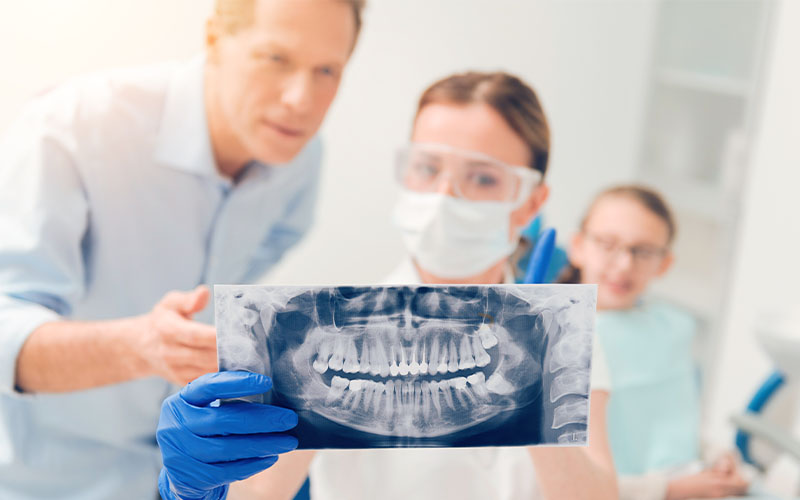
Wisdom teeth removal is a standard dental procedure performed to prevent potential dental issues. While it’s generally safe, complications can sometimes arise. Knowing about these risks helps you prepare for a smoother recovery process and fewer surprises.
Wisdom teeth, also known as third molars, are the last set of molars to develop in your mouth. They usually emerge between ages 17 and 25. While once essential for our ancestors, they often cause problems today due to limited jaw space.
Removing wisdom teeth is often necessary because they can become impacted, leading to pain, infections, and other dental issues. When left untreated, they may damage neighboring teeth or cause misalignment, making removal the safest option for many people.
During the procedure, your dentist or oral surgeon administers anesthesia to numb the area. A small incision is made in the gum, and the tooth is removed, often in sections. Stitches may be placed to close the wound and promote healing.
After surgery, you can expect some discomfort, swelling, and minor bleeding, which are all part of the healing process. Recovery usually takes about one to two weeks, with the first few days being the most challenging. Proper aftercare is crucial for a smooth recovery.
While most people recover without issues, some complications can arise. Being aware of these risks can help you take preventive measures and address problems quickly if they occur. Below are the most common post-surgery complications.
Pain and swelling are the most common symptoms after wisdom teeth removal. They typically peak within the first two days and gradually subside. Over-the-counter medications and cold compresses can significantly ease discomfort and reduce swelling during this period.
Dry socket occurs when the blood clot protecting the surgical site dislodges or dissolves prematurely. This exposes nerves and bone, causing intense pain. To avoid dry socket, refrain from smoking, using straws, or eating hard foods during recovery.
Infections can develop if bacteria enter the surgical site. Signs include swelling, redness, pain, or pus discharge. To minimize this risk, follow your dentist’s instructions, maintain good oral hygiene, and take any prescribed antibiotics as directed.
Nerve damage is rare but can occur if the wisdom teeth are close to major nerves. Symptoms include numbness or tingling in the lips, tongue, or chin. Most cases resolve within weeks, but severe cases may require further medical attention.
The upper wisdom teeth are located near the sinus cavities, and their removal can occasionally affect these areas. Symptoms like nasal congestion or sinus pain may indicate complications. If these symptoms persist, consult your dentist promptly.
Some bleeding is expected after surgery, but if it continues beyond 24 hours, it can signal a problem. Bite down on gauze to apply pressure and elevate your head when resting. Contact your dentist if the bleeding doesn’t subside.
Jaw stiffness, also called trismus, is a common post-surgery issue. It makes opening your mouth or chewing uncomfortable. Gentle jaw exercises, warm compresses, and soft foods can help alleviate stiffness and restore normal jaw movement over time.
Swelling and bruising are normal parts of the healing process and typically subside within a week. To reduce swelling, apply cold compresses for the first 48 hours, followed by warm compresses to improve circulation and promote healing.
Some patients experience mild allergic reactions to anesthesia or medications. Symptoms might include nausea, dizziness, or rashes. Always inform your dentist about any known allergies or previous reactions to ensure a safer and more comfortable experience.
Stick to a diet of soft foods like mashed potatoes, yogurt, and soups to avoid irritating the surgical site. Drink plenty of water but avoid straws to prevent dry socket. Rest is essential, so take it easy and avoid strenuous activities.
Seek immediate help if you experience excessive bleeding, severe pain that doesn’t improve with medication, high fever, or signs of infection such as swelling or discharge. Early intervention can prevent complications from worsening and ensure faster recovery.
Wisdom teeth removal is a routine procedure, but complications can happen. Knowing what to expect and how to manage these issues can make your recovery smoother. Always follow your dentist’s instructions and address concerns promptly for the best results.
At Bonnie Doon Dental Associates, we are dedicated to providing exceptional dental care to the Bonnie Doon and Whyte Ave communities in Southside Edmonton. Our team understands that every patient has unique needs, and we work closely with you to ensure a comfortable and personalized experience. Whether you’re visiting us for routine checkups, restorative treatments, or advanced dental procedures, we are here to support your oral health journey. Trust our team to deliver the compassionate and professional care you deserve.